One Happy Aruba
Plan your perfect trip

Things to do 4 ways to do it

Landmarks & Culture

Aruba's cultural side lives in the windswept ruins of gold mills, hilltop chapels older than the hotels, and caves carved with petroglyphs from people who lived here centuries before cruise ships arrived. Most of it is free, self-guided, and located inland or on the rocky northeast coast—territory that feels nothing like Palm Beach. If you want more than a tan, this is how you earn it.

Updated June 2026

Pick your way

The ways to do it — honestly compared.

Way 1

Church-to-coast driving loop

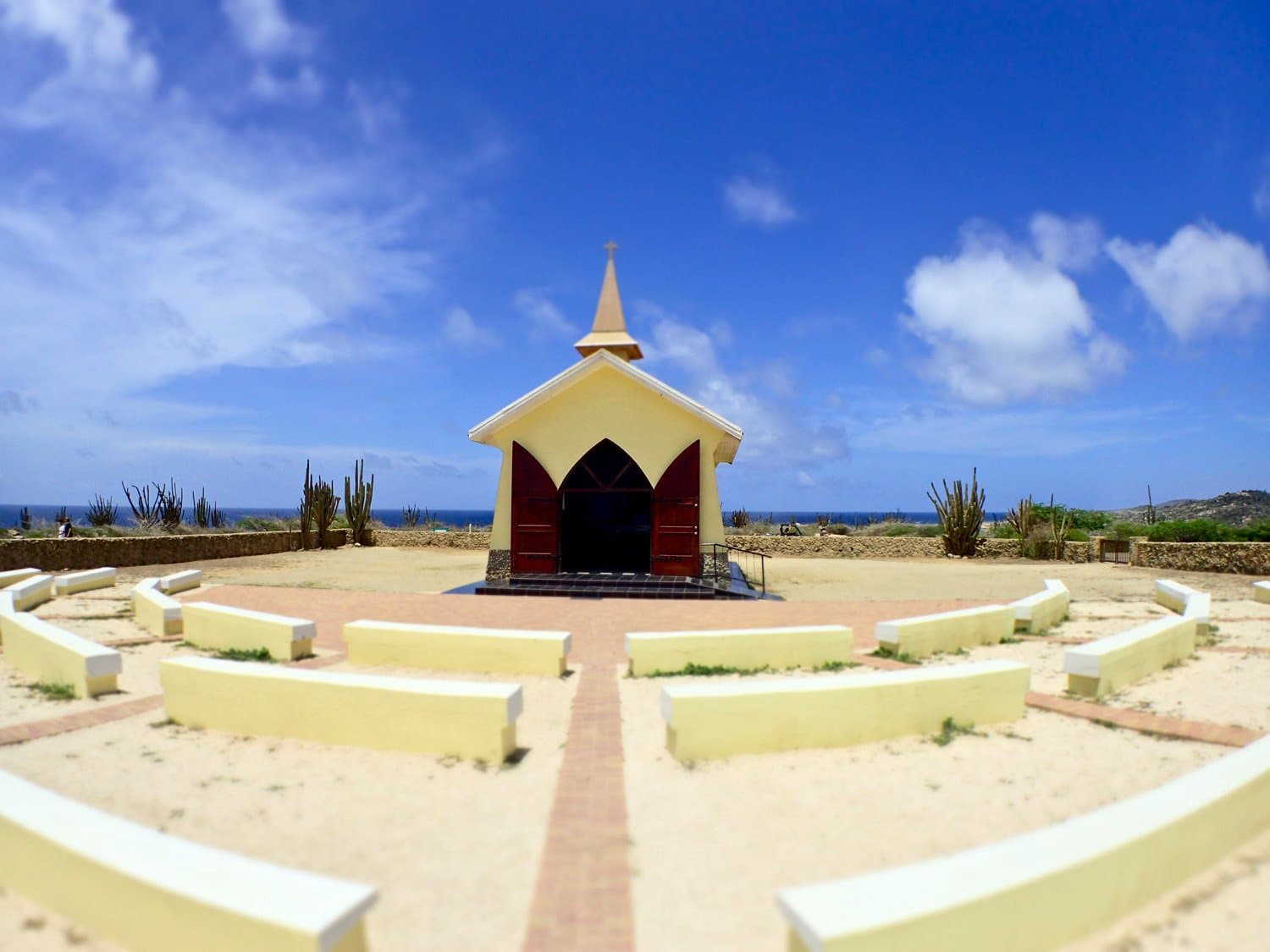
Start at Alto Vista Chapel for sunrise, then drive the northern coastline through Bushiribana gold-mill ruins, the Natural Bridge collapse site, and Ayo's diorite boulders. It's a 2-3 hour self-drive with multiple stops, all free, all outdoors. You set the pace, park at each site, and move on when you're done.

Why you'll love it

  • Completely free except fuel
  • Covers Aruba's most iconic ruins and rock formations in one morning
  • You control timing and how long you linger
  • Sunrise at Alto Vista Chapel is legitimately beautiful

Worth knowing

  • No commentary or historical context unless you research ahead
  • Roads get rough near Natural Bridge—rental car scratches are common
  • Wind on the north coast is relentless; plan for dust and chapped lips

Best for: Anyone who wants landscape drama and photo ops without group tours or entry fees

Typical price: Free (self-drive)
Way 2

Arikok National Park cave tour

Buy the park pass and spend half a day exploring Quadirikiri and Fontein caves—two limestone systems with natural skylights, stalactites, and pre-Columbian petroglyphs still visible on the walls. Quadirikiri is easier to navigate; Fontein has the better rock art. Both are self-guided with marked trails.

Why you'll love it

  • You see actual Arawak petroglyphs, not reconstructions
  • Natural skylights in Quadirikiri create dramatic lighting
  • One park pass covers both caves plus hiking trails
  • Cooler than the beach by about 10 degrees

Worth knowing

  • No artificial lighting—bring a phone flashlight or headlamp
  • Fontein's petroglyphs are faint and easy to miss without good eyes
  • Park roads are unpaved; sedans scrape occasionally

Best for: History nerds and anyone who wants to feel like they found something hidden

Typical price: $15 park entry (Quadirikiri included); $11 additional for Fontein

Way 3

Downtown Oranjestad museum walk

Park once in Oranjestad and hit Fort Zoutman, the Archaeological Museum, and the Pro-Cathedral on foot within a few blocks. Fort Zoutman is Aruba's oldest standing building; the Archaeological Museum holds 4,500 years of indigenous artifacts; the Pro-Cathedral is free and open most days. Budget 2-3 hours if you read the placards.

Why you'll love it

  • Air-conditioned museums are a reprieve from midday heat
  • Archaeological Museum's pre-Columbian collection is the island's best
  • Walking distance to lunch and shopping in downtown
  • No driving or parking headaches

Worth knowing

  • Fort Zoutman's museum is small and dated—15 minutes max
  • Not much English-language depth in exhibit text
  • Downtown Oranjestad can feel empty outside cruise-ship days

Best for: Cruise passengers with a few hours ashore or anyone stuck in town during midday heat

Typical price: $10 per museum; Pro-Cathedral is free

Way 4

Hooiberg summit hike + inland ruins combo

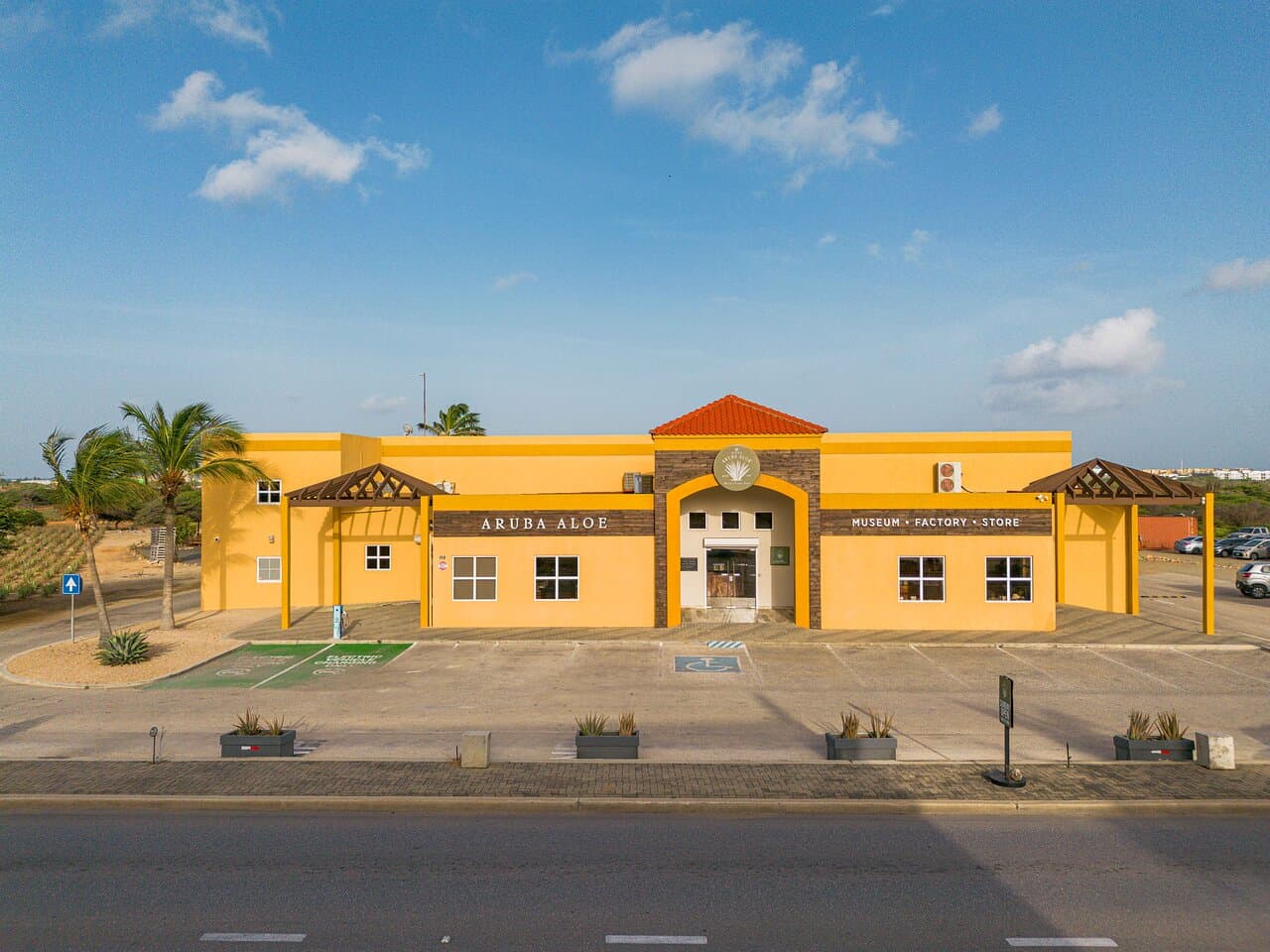
Climb Hooiberg's 600 concrete steps before 7am for sunrise views across the island, then drive south to Balashi's gold-mill ruins near Spanish Lagoon. The hike takes 20-30 minutes up; the ruins are a quick stop. Both are free and self-guided. Pair it with a stop at Aruba Aloe Factory on the way back if you want AC and bathrooms.

Why you'll love it

  • Summit views from Hooiberg stretch to Venezuela on clear mornings
  • Balashi ruins are emptier and more atmospheric than Bushiribana
  • Aloe factory tour is free and surprisingly interesting
  • You're done by 9am and back at the pool before it's crowded

Worth knowing

  • Hooiberg's stairs are steep and shadeless—do it early or suffer
  • Balashi ruins have no signage or context; you're guessing at history
  • Aloe factory is borderline hokey if you're not into gift shops

Best for: Early risers who want a workout, views, and a sense of accomplishment before breakfast

Typical price: Free

Before you go

  • Bring cash for park entry and museum tickets—some sites don't take cards reliably.
  • Rental cars take a beating on the north-coast roads; photograph any existing scratches before you leave the lot.
  • Alto Vista Chapel and Hooiberg are best at sunrise—by 9am the heat and crowds erase the magic.
  • Fontein Cave's petroglyphs are on the right wall as you enter, low and faint; use your phone's flashlight and look closely.
  • The Aruba Aloe Factory closes early on weekends—check hours before you drive out.
  • Trade winds on the northeast coast are constant and strong; sunglasses and a hat are non-negotiable unless you enjoy eating dust.

The operators

Who does it best.

Browse all Landmarks & Culture tours →
Visit us for a free museum & factory tour●○○○© Management via TripAdvisor

Aruba Aloe Factory, Museum and Store

The Aruba Aloe Factory sits just outside Oranjestad and offers free self-guided tours through the only functioning aloe production facility on the island. You'll see the growing fields, the processing line, and a small museum that walks through the plant's 160-year presence on Aruba—aloe vera has been grown commercially here since the 1800s, and this is the last operation still running. The tour takes about an hour and ends in a gift shop stocked with skincare products made on-site. The #10 ranking among island activities and back-to-back Travelers' Choice awards suggest it punches above what you'd expect from a factory tour. The low-intensity format works for families with young kids or anyone dodging the midday heat—parts of the tour run indoors. It's free entry, though most people leave with a bottle of something.

cultural
1h
Alto Vista© mitsugirly via TripAdvisor

Alto Vista Chapel

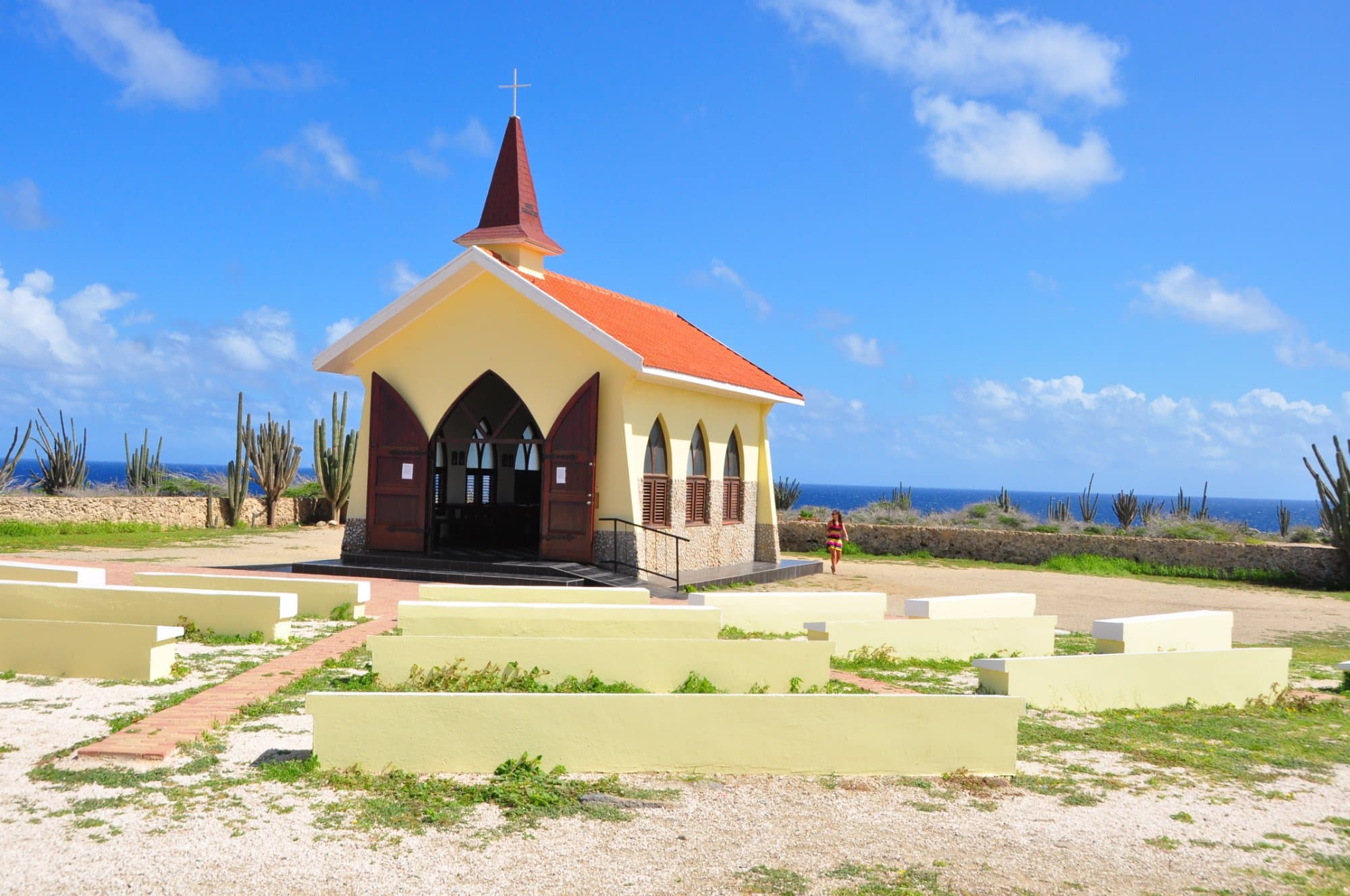
Alto Vista Chapel sits on a hilltop on the north coast, a few miles beyond the Palm Beach hotels. It's the oldest religious site on the island — the original structure dates to 1750 — and the current yellow-and-white chapel was rebuilt in 1952. The #7 ranking among Oranjestad attractions reflects its pull as a sunrise spot and a cultural marker, not as a traditional tour stop. The drive up is quiet, and the view from the hill looks out over the windward coast and scrubland. There's no fee, no guide, and no schedule. You park, walk up, and you're done in fifteen minutes unless you linger for photos. The interior is small and plain. If you're building your own route through the north side or heading toward the national park, it's an easy add. It doesn't compete with organized safari tours that bundle multiple stops — it's just a chapel on a hill that opens early and costs nothing.

After the 2005 collapse of The Natural Bridge Mother Nature left us with this beautiful Baby BriOutdoor●○○○© Management via TripAdvisor

Natural Bridge

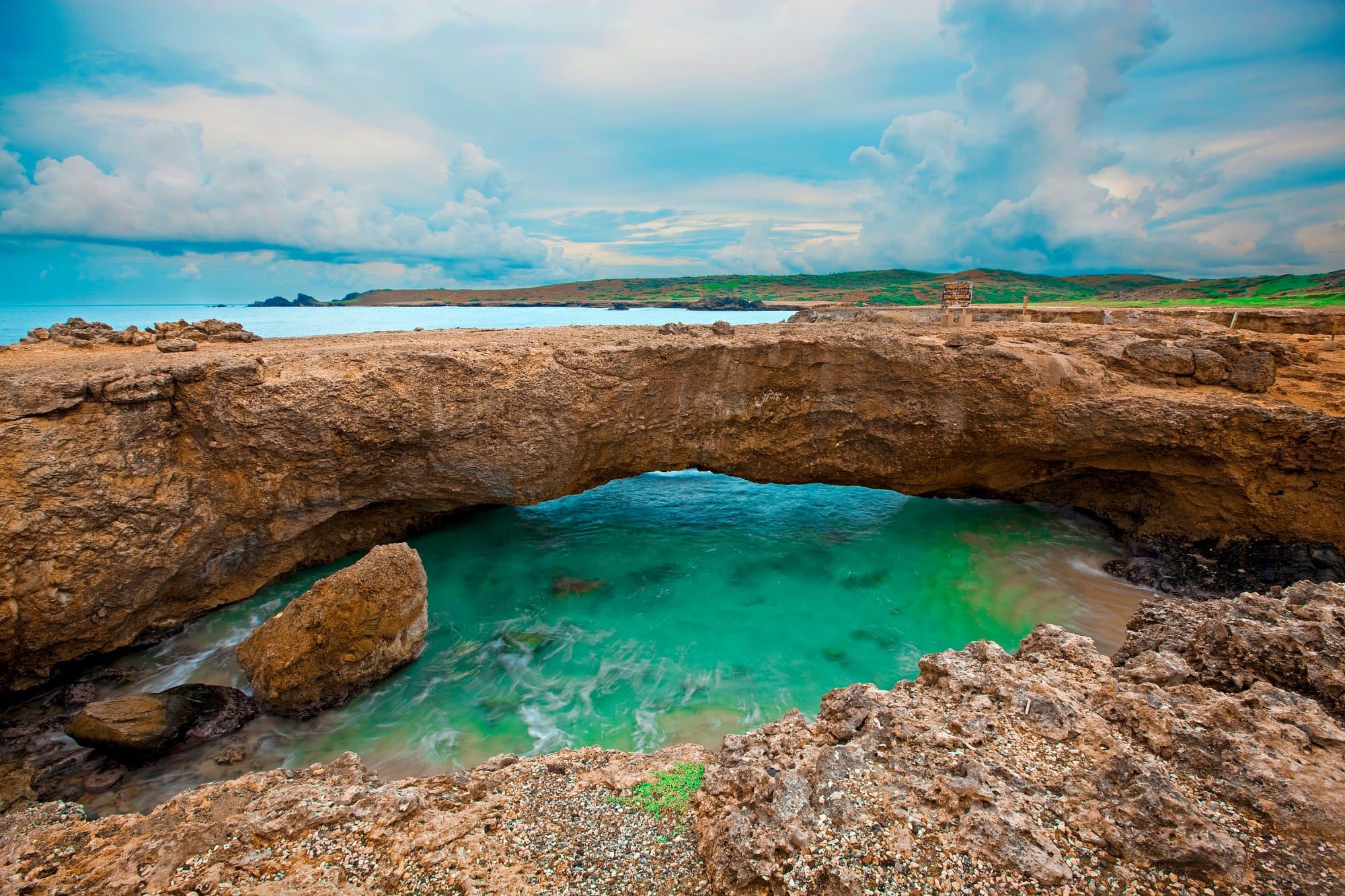
The Natural Bridge sits on the rugged northeast coast inside Arikok National Park, where the Atlantic pounds into volcanic limestone cliffs. The original coral arch collapsed in 2005, but what's left—Baby Bridge and the rock formations around it—still draw visitors for the coastal drama and the short hike out to the site. Ranked #3 out of 5 stops in Arikok, this is more of a photo-and-turn-around detour than a destination. The trail is easy, mostly flat, takes about an hour round-trip. The real pull is the coastline itself: black rock, white spray, no development in sight. Bring water and watch your footing near the edge—the surf here is not friendly. Free to visit if you've already paid the park entrance fee. It pairs naturally with California Lighthouse or Conchi if you're looping the northern coast in a 4x4.

land
1h
Bushiribana Gold Mill RuinsOutdoor●○○○© mitsugirly via TripAdvisor

Bushiribana Ruins

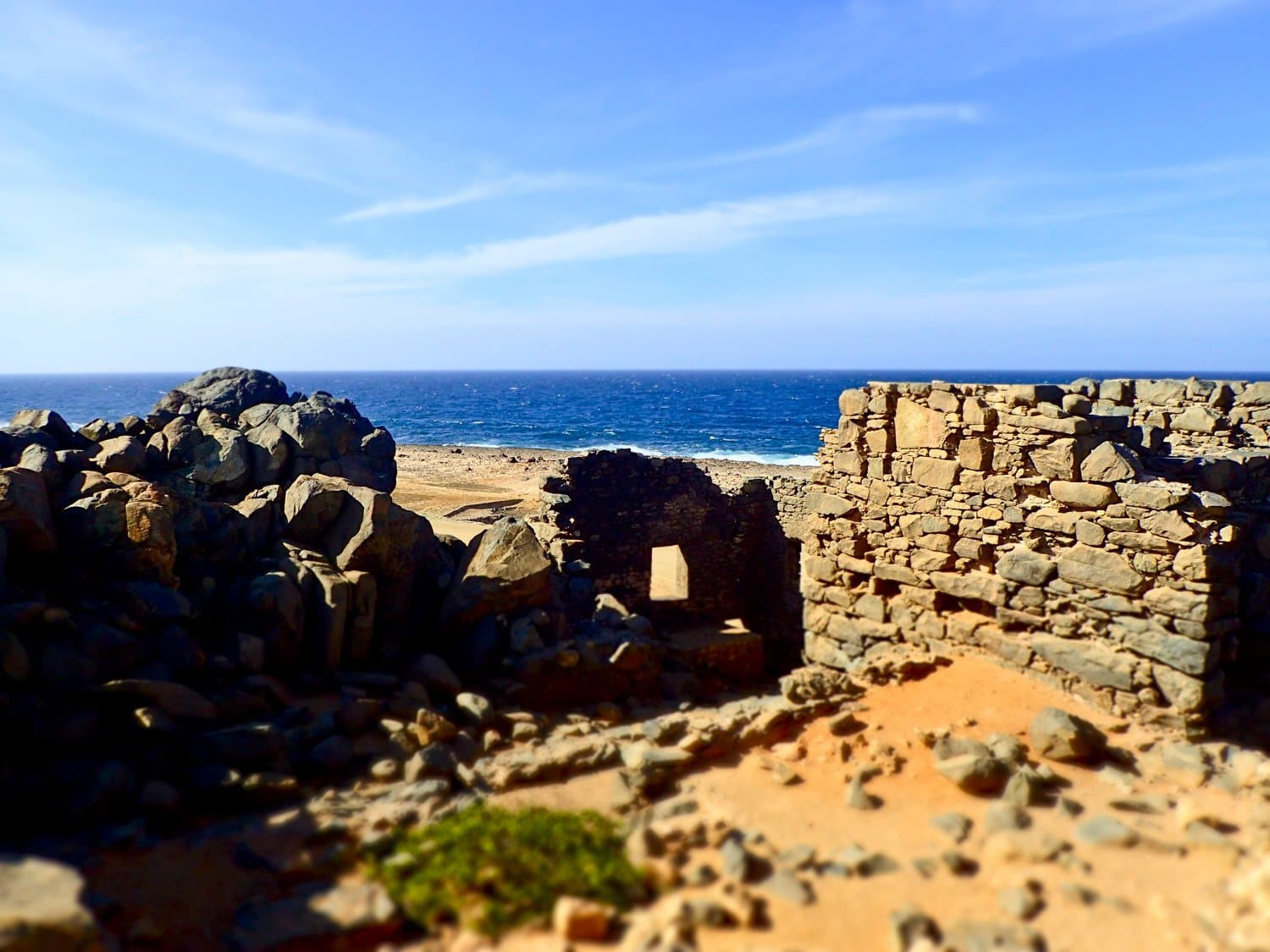
The Bushiribana gold mill ruins sit on Aruba's windswept northeast coast, a short drive from the hotel strip but worlds away in feel. This stone shell is what's left of a 19th-century ore processing plant — back when Aruba had a brief gold rush — and it's one of the most photographed spots on the island for good reason. The structure sits right at the water's edge where waves crash into volcanic rock, and you can walk through the roofless walls and climb up for a clear view of the coastline. At #6 of 39 things to do in Noord, it pulls consistent interest despite being essentially a ruin with no facilities. It's free, accessible by car or ATV, and takes maybe 20 minutes unless you're shooting photos. The road out is rough in spots. Most people pair it with the natural pool or the lighthouse, since you're already on the rugged side of the island.

cultural
1h
cute church with pretty views!Indoor●○○○© cararox via TripAdvisor

San Francisco di Asis Pro-Cathedral

The Pro-Cathedral sits on J. Irausquinplein in the center of Oranjestad, a block inland from the cruise terminals. It's the seat of the Catholic Diocese of Aruba, which explains the scale — this isn't a neighborhood chapel. The neo-Gothic tower is visible from several blocks away, and the interior runs cooler than most buildings in town, which matters if you're walking the capital in afternoon heat. It ranks #6 among Oranjestad attractions, and the 4.3 rating across 749 reviews suggests it holds up for people who aren't specifically religious. The stained glass and the carved wooden altar are the main draws. Mass is still held here, so check the door before walking in with a camera during service. If you're already in Oranjestad for the museum or the harbor, it's a five-minute detour — worth it if you like church architecture or need a quiet break from the port crowds.

cultural
1h
View from the topOutdoor●○○○© Halkidis via TripAdvisor

Ayo Rock Formations

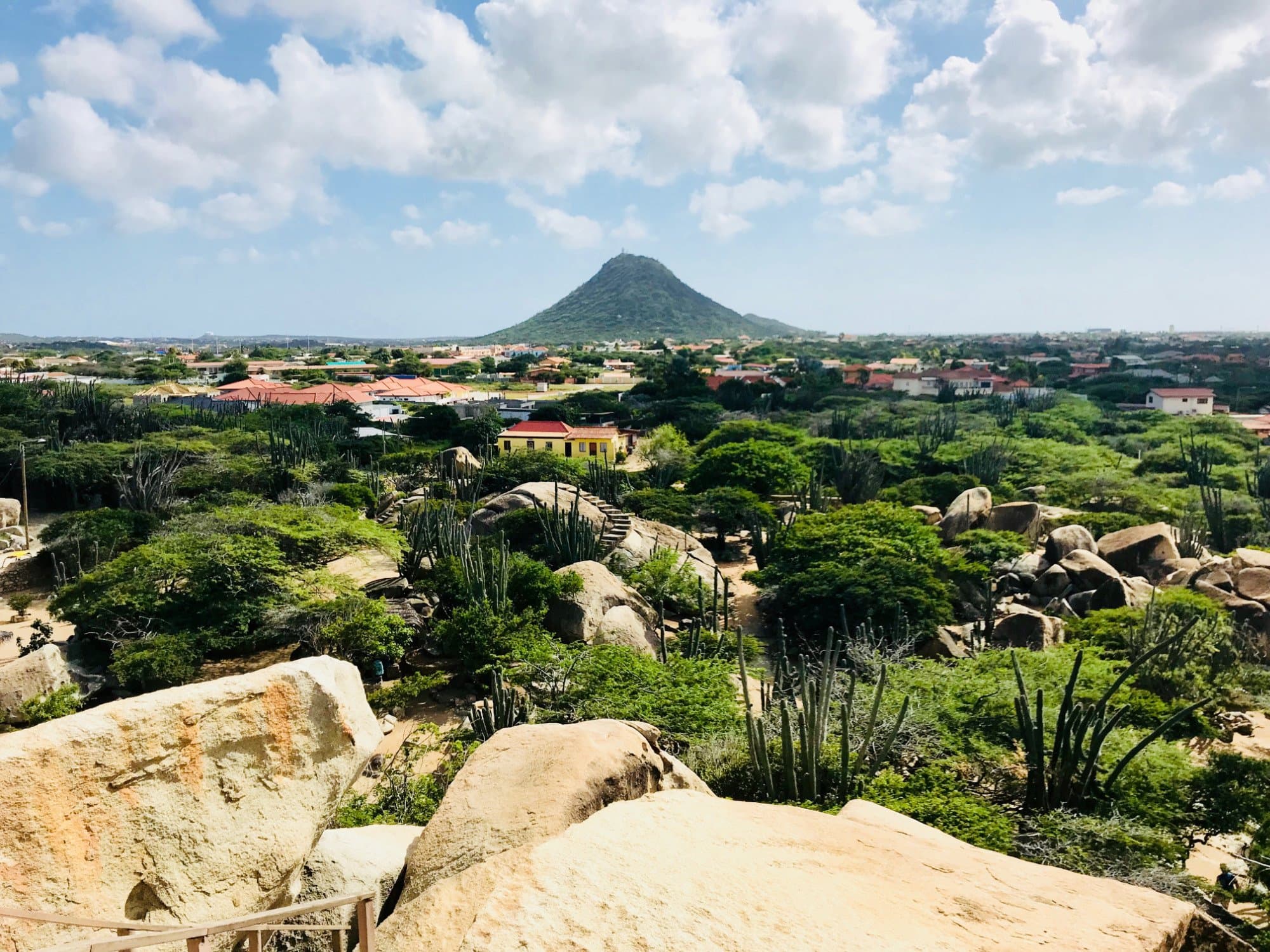
Ayo Rock Formations sits inland between Oranjestad and the north coast, a cluster of massive diorite boulders left behind millions of years ago. It's the #8 thing to do in Oranjestad out of 61, which makes sense — the rocks themselves are impressive in scale, stacked and weathered into tunnels and scrambling routes, and the petroglyphs carved by the Caquetío people are still visible if you look closely. The site is free and self-guided, so you can wander at your own pace. The terrain is low-intensity but uneven — wear closed shoes and bring water, especially midday when there's no shade. Most people spend about an hour here. It's quieter than the beaches and pairs well with a drive to the natural pool or Arikok if you're already on the windward side. The view from the top of the rocks opens up across the scrubland toward the coast, which is worth the short climb.

cultural
1h